


Motor Trend Digital Magazine
Hearst Communications, Inc.
I spent time with Motor Trend Digital Magazine as an automotive reading app, and my first impression was that it makes more sense for people who enjoy understanding cars than for drivers who only want a quick answer about a repair or a purchase. It comes from Hearst Communications, Inc. and sits in the Auto & Vehicles category, but the experience is closer to carrying a specialist car magazine than using a practical ownership tool. That distinction matters before you install it.
The app is free to install, and its content rating is Everyone, so it is easy to approach as a general-interest option for readers who follow new vehicles, performance cars, motoring culture, and the wider automotive world. The app has reached over ten thousand installs and holds a 4.1 average from around forty ratings, which suggests a generally positive reception while also reminding me that the public feedback pool is fairly small. I would treat that rating as a useful signal, not a complete verdict.
How the reading experience fits into everyday car research
What I like about this kind of app is the change of pace it offers. Instead of opening a search engine with a very narrow question, I can browse automotive coverage and discover topics I was not actively looking for. That is useful when I am comparing the personality of different vehicles, trying to understand why a model matters, or simply looking for something interesting to read during a commute or a quiet evening.
It is not the same job as a maintenance app, a fuel-price tool, a navigation service, or a vehicle marketplace. Those products are built around immediate tasks. Motor Trend Digital Magazine is better understood as an editorial companion. Its value comes from context, opinions, road-focused storytelling, and the pleasure of following the car world over time rather than completing one urgent action.
That makes the app particularly appealing to enthusiasts who already know the difference between a practical hatchback and a track-focused performance car, but it can also work for a newer driver who wants to build that knowledge gradually. I would not expect it to replace an owner’s manual or a mechanic’s advice. I would use it to become a more informed reader before asking those practical questions elsewhere.
Related News

Why WhatsApp Messenger Still Makes Everyday Communication Feel Easy

Jurassic World: The Game Is the Better Dino Tycoon for Strategic Players

Threads in Real Life: Who Should Join, Lurk, or Leave

How SHEIN Turned Shopping Into an Endless Content Feed

How to Make Fortnite Feel Smarter on Mobile

Should You Switch to Microsoft Outlook on Mobile?
One realistic use case is a weekend purchase decision. Imagine that I am considering a used performance-oriented car, but I am still unsure whether I care more about speed, comfort, daily usability, or driving character. Reading broader automotive coverage can help me identify the questions I should ask before visiting a seller. It will not inspect the vehicle for me, yet it can make my shortlist more thoughtful than choosing solely from a specification sheet.
What the free starting point really means
The free price is an important advantage because it lowers the risk of trying the app. I can install it, see whether the editorial style suits me, and decide whether I want to spend more time with it without paying an entry fee. For casual readers, that may be all the value they need: an occasional way to dip into automotive coverage without committing to a print subscription or a specialist news routine.
At the same time, “free” should not automatically be read as “everything is included at no cost.” The app lists in-app purchases ranging from $1.99 to $14.99 per item. That creates a clear difference between free access and paid value. I would check the purchase screen carefully before confirming anything, especially if I only want to read occasionally. The sensible approach is to use the free portion first, then pay only when the amount of reading or the specific material justifies it.
Gallery
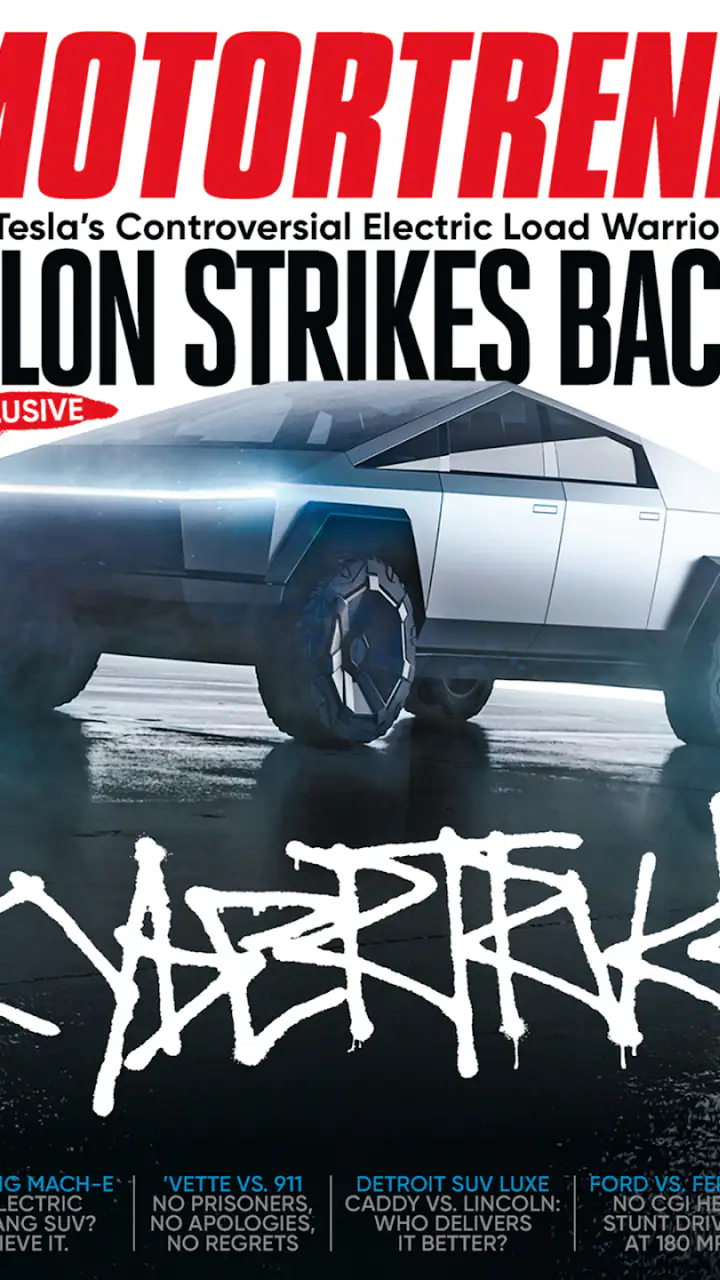
This pricing structure is more flexible than forcing every visitor into a single commitment, but it can also make the value calculation less obvious. A regular reader may find a paid item worthwhile, while someone who opens the app only when a particular car catches their attention may prefer to stay with free material. Since individual reading habits vary so much, I would judge the purchase by how often I expect to return, not by the presence of a familiar magazine name alone.
For me, the strongest financial argument is the low-risk trial rather than any promise of unlimited value. The app costs nothing to download, but paid content should be considered separately. If I were installing it for a road trip or a short burst of research, I would avoid buying immediately. I would first explore the available reading experience and see whether it answers the kind of automotive questions I actually have.
Where the app delivers more than a quick search
A search engine is excellent when I need a specific figure, a recall notice, a local service center, or a current listing. It is less satisfying when I want a coherent view of a vehicle or a sense of how it fits into the larger car landscape. A magazine-style app can connect individual stories into a broader habit of learning. That editorial framing is the main reason I would keep it installed.
There is also a difference between reading a specification and forming an opinion. A list of engine output, dimensions, and equipment can tell me what a vehicle has, but it does not automatically tell me how those details affect daily life. Automotive journalism is most useful when it translates technical information into choices: whether a car feels sensible for a commute, whether performance compromises comfort, or whether an impressive feature matters outside a brochure.
I find that especially helpful when I am trying to avoid being distracted by one headline feature. A powerful engine may not compensate for poor practicality. A low price may not matter if the ownership experience is inconvenient. A fashionable design may age differently from a well-balanced interior. Editorial reading encourages me to weigh the whole vehicle rather than chase the most dramatic number.
Another practical benefit is vocabulary. When I read about cars regularly, terms that once sounded vague become easier to understand. That helps when comparing independent reviews, speaking with a salesperson, or checking a used-car listing. The app is not a formal course, but repeated exposure to automotive language can make later research faster and less intimidating.
Three ways I would use it more intelligently
My first tip is to treat the app as a research notebook rather than a final authority. If an article makes me interested in a particular model, I would write down the claims that affect my decision and verify the practical details separately. Editorial impressions are valuable for character and context, while official specifications, ownership records, and an inspection are better for confirming a purchase.
My second tip is to compare stories by use case, not only by vehicle class. Instead of reading only about sports cars, I would pair that interest with coverage of comfort, everyday practicality, and long-distance travel. This helps reveal the tradeoff between the car I admire and the car I could realistically live with. It is a simple way to prevent enthusiasm from turning into an impractical shortlist.
My third tip is to save reading time for moments when I can concentrate. A magazine app is easy to open during a spare minute, but automotive comparisons often reward slower reading. I would use short sessions for discovery and reserve a longer session for a buying decision. That workflow gives the app a clearer purpose and makes paid content easier to evaluate: if a specific issue or item supports a real decision, its cost has a better chance of feeling justified.
A fourth useful habit is to read with a question already in mind. “Which car is best?” is too broad to be helpful. “Which option seems easiest to live with on a daily commute?” or “What compromises come with choosing performance over comfort?” produces a more useful reading session. The app becomes more valuable when I use its editorial material to answer a personal question instead of scrolling without a goal.
The tradeoffs that may affect your decision
The biggest limitation is that this is not a one-stop automotive utility. If I need tire-pressure guidance, service intervals, insurance comparisons, navigation, or a way to contact a seller, I would choose a dedicated tool. The magazine format may help me think about those subjects, but it does not replace services designed to complete them.
There is also a natural subjectivity in automotive journalism. I enjoy informed opinions, but another reader may disagree with a reviewer’s priorities. A vehicle praised for its engaging handling might feel too firm to someone who values quiet comfort. A practical model described as sensible might seem dull to an enthusiast. I would use the app to understand an argument, then compare it with my own needs and other sources before spending money.
The purchase model introduces another point of friction. A free download is convenient, but readers who expect every article or magazine experience to be included may feel disappointed when they encounter paid items. The range from $1.99 to $14.99 per item is broad enough that I would not assume every purchase has the same scope or value. Checking exactly what I am buying is essential.
The app also requires a willingness to read. That sounds obvious, but it separates this product from fast, utility-focused alternatives. If I want quick answers in a few seconds, a focused search or reference app will usually be more efficient. If I enjoy the process of browsing, comparing viewpoints, and following automotive subjects, the magazine approach is a strength rather than a weakness.
Its current version is 11.1.5, and it supports devices running Android 5.0 or later. That broad minimum requirement makes it approachable for people using older Android hardware, although the quality of the experience will still depend on the individual phone or tablet. I would keep the app updated when possible, particularly if I rely on it for regular reading, but I would not choose it solely because of the operating-system requirement.
Who is likely to get the most value?
I would recommend it to a reader who follows automotive news for enjoyment and wants more depth than short social posts. It is also a good fit for someone beginning to compare vehicles and looking for editorial context before narrowing the search. Enthusiasts, prospective buyers, and curious drivers can all find a reason to try it, provided they understand that it is a reading experience rather than a repair or shopping assistant.
It can be especially useful for a person who feels overwhelmed by the number of automotive sources available. Instead of jumping between unrelated pages, the app offers a more focused place to spend time with car coverage. The benefit is not just convenience; it is continuity. Following one editorial voice can make it easier to notice recurring themes and understand how different vehicles are positioned.
I would be more cautious about recommending it to someone who rarely reads about cars. If a person only wants to know whether a vehicle fits a child seat, how much cargo space it has, or when a service is due, this app may be more than they need. A targeted source will probably answer those questions faster and with less browsing.
I would also tell budget-conscious readers not to assume that the free installation settles the entire cost question. The app is free to start, but optional purchases change the value calculation. Someone who wants occasional entertainment can remain selective, while a committed reader should decide whether the paid material earns its place in the monthly budget.
My final recommendation
After using it as an automotive reading companion, I see Motor Trend Digital Magazine as a solid choice for people who enjoy cars as a subject, not merely as transportation. Its free entry point makes trying it straightforward, its Everyone rating keeps it broadly accessible, and its 4.1 average indicates that existing users generally respond well. Hearst Communications, Inc. has placed it in a category where readers may expect practical tools, so setting the right expectation is important: this is about automotive journalism and discovery.
My advice is to install it freely, explore before purchasing, and pay only when a specific item matches a genuine reading or research need. That approach respects the difference between free access and paid value. I would keep it for weekend reading, vehicle research, and staying connected with car culture. I would skip it if my main goal were maintenance instructions, local buying tools, or instant technical answers.
In short, the app earns its place when I want to slow down and think about cars. It does not replace the practical resources I use to own one, but it can improve the questions I ask before making a decision. For an enthusiast or an informed prospective buyer, that is a worthwhile role; for everyone else, the free trial is the sensible way to find out whether the magazine format fits.
FAQs for Motor Trend Digital Magazine
What is MotorTrend Digital Magazine?
MotorTrend Digital Magazine is the digital edition of the well-known automotive publication, offering access to vehicle reviews, comparison tests, industry news, performance features, buying advice, and coverage of car culture. After exploring the app, I found that it is designed for readers who prefer browsing automotive content on a phone or tablet rather than receiving a traditional print magazine. Content availability may vary by subscription and region.
Do I need a subscription to read MotorTrend Digital Magazine?
Most premium magazine issues and selected articles require an active subscription or purchase, although the app may provide previews, free articles, promotional content, or limited access before payment. Subscription options can differ depending on whether you download the app on Android or iOS. Before subscribing, check the current price, billing period, trial conditions, and whether your plan includes only the magazine or additional MotorTrend digital content.
What kind of content can I find in the magazine?
The magazine focuses on automobiles and includes road tests, new-car reviews, long-term evaluations, comparison tests, motorsport coverage, vehicle technology, buying guidance, and enthusiast features. I found the editorial mix useful for both casual readers researching their next car and enthusiasts interested in performance vehicles and automotive history. Some issues may emphasize particular themes, manufacturers, events, or newly released models.
Can I read MotorTrend Digital Magazine offline?
Offline reading is generally possible when an issue has been downloaded to your device, which is helpful during travel or when you have limited internet access. You normally need to open the app while connected to download the issue and complete any account or subscription verification. Downloaded editions can use considerable storage, so it is worth checking available space and removing older issues you no longer need.
Is MotorTrend Digital Magazine available on both Android and iPhone or iPad?
MotorTrend Digital Magazine is commonly offered through official app stores for compatible Android and Apple devices, but exact availability can depend on your country, operating-system version, and the publisher’s current app strategy. Before downloading, confirm that your device meets the listed requirements. Also remember that subscriptions purchased through one platform may have specific account-management rules when you switch between Android and iOS.
Pros
- Covers new car launches
- reviews
- and automotive industry news.
- Expert testing provides useful insights into performance and handling.
- Digital issues are convenient to read on phones and tablets.
- Includes detailed photography and specifications for many vehicles.
- Helpful buying advice for enthusiasts and everyday car shoppers.
Cons
- Some premium content may require a paid subscription.
- Large magazine issues can use considerable storage and data.
- Navigation may feel less convenient than reading a website.
- Older issues may not be included with every subscription plan.
- Content is mainly focused on the North American automotive market.


